


Frugal Chic Is the Art of Having Enough
In today’s issue of Frugal Chic, we’re talking about how buying and wanting less is not only a financial strategy, but also a way of building taste. Taste is refinement. It’s built over time, it can’t be bought instantly, and it’s not a one-size-fits-all aesthetic.
In this letter, I want to cover two things:
why Frugal Chic is not penny-pinching
and how wanting less quietly builds better taste
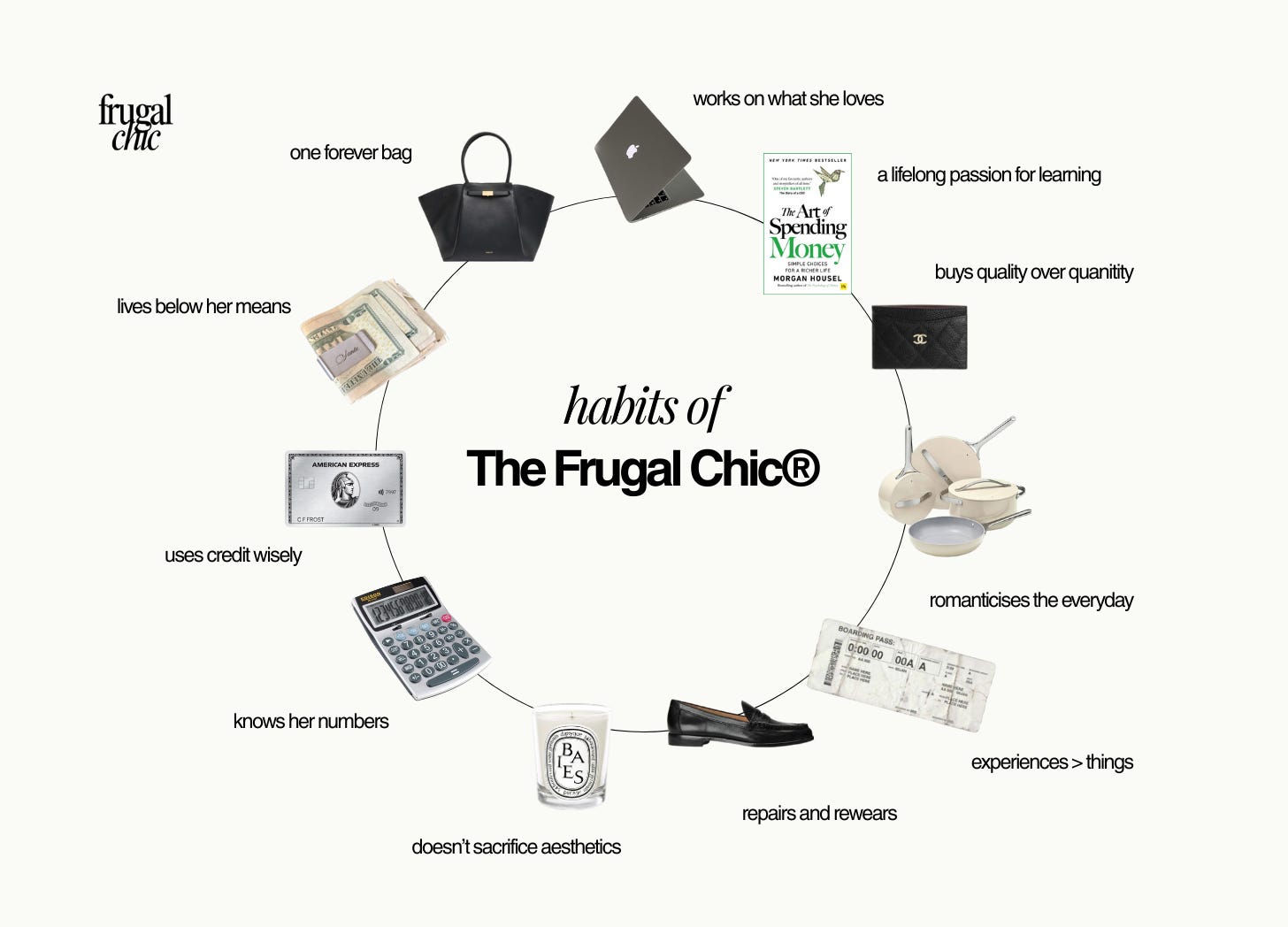
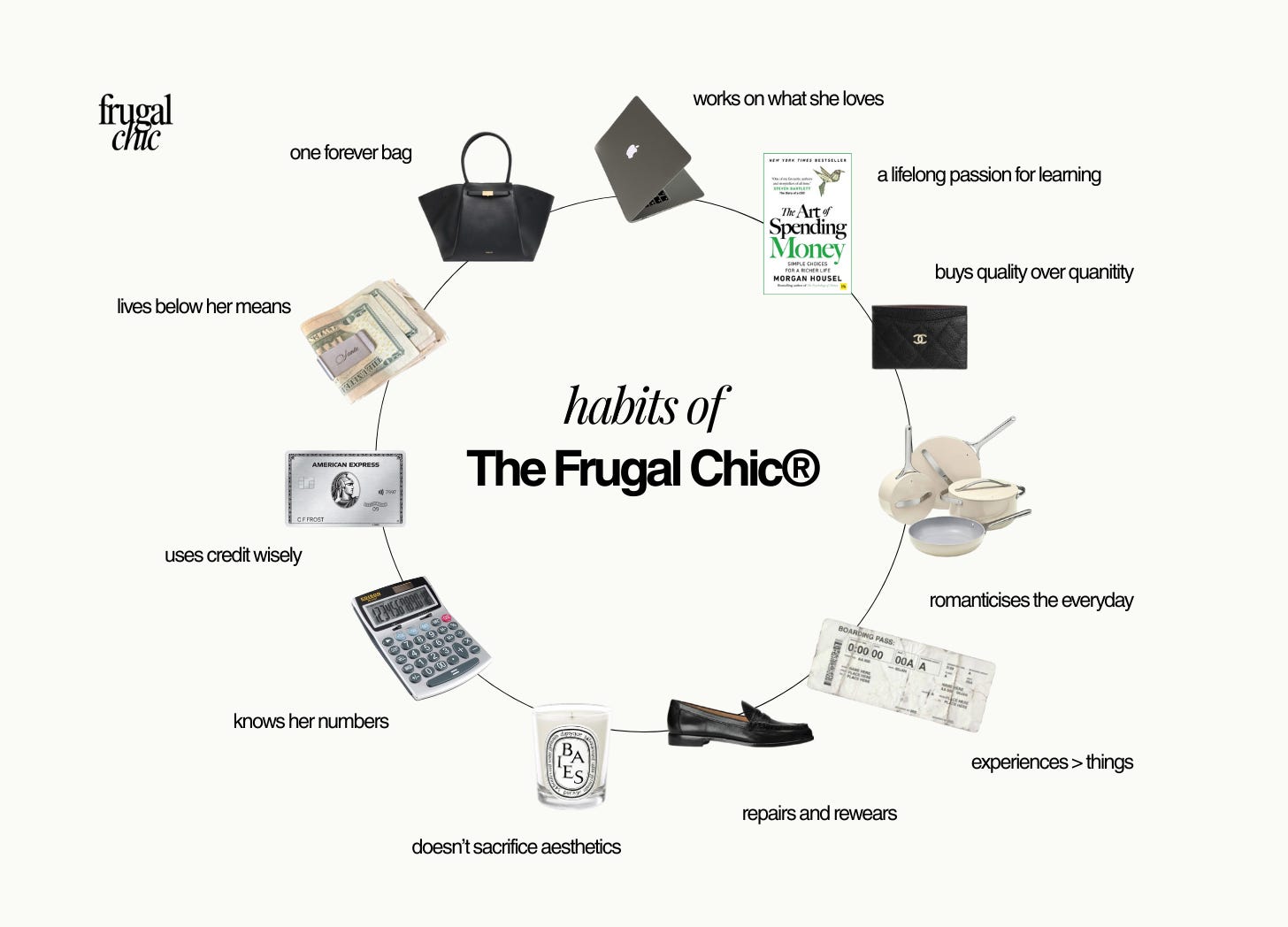
Frugal Chic, why it’s not penny-pinching
When I was trying to explain Frugal Chic to a friend, I said it was about ‘being happier with less’, which, thinking about it now, was too vague and obviously brought up negative emotions.
She was like, “well living with less is actually quite crap, having no money is awful.”
I explained to her that this isn’t what I meant.
The only way I can describe Frugal Chic on a deeper level, not just the aesthetic, is as the state of having enough.
It follows a really simple financial principle: don’t spend more than you make. That’s why being frugal looks different for everyone.
Being on £26k and setting aside £50 a month after rent, bills, and expenses is frugal. Being on a six-figure salary and setting aside 50% of your income into investments, while still going on a luxurious holiday because you have the means to do so, is also frugal.
It looks different for everyone, and there will of course be times when you’re more or less frugal.
I’d say I haven’t given in to lifestyle creep. I went from earning £30k last year in the fashion industry at my 9–5 to now earning more than six figures as a content creator, and my life looks pretty much the same. In fact, I got a comment under one of my vlogs saying, “this looks so normal.”
But that’s the point.
You can be working towards financial freedom and building wealth without constantly increasing your idea of what is “enough” to be happy.
The part that was missing from my original definition to my friend was this: being content with what you have, while still striving for financial independence.
As we know, frugality gets a bad rep. People associate it with penny-pinching, or with a time in their life when they were financially struggling.
That’s not what we’re doing at Frugal Chic.
Frugal Chic is about stopping before you make a purchase and thinking: will this truly bring me closer to my goals?
And I’m not talking about your £5 latte. Keep the latte.
I mean the branded handbag that’s actually poorly made, but you’re buying it because you think it’s the latest trend and that it will make you more accepted.
Or the extra round of drinks with people you don’t really enjoy spending time with.
Or the viral skincare you’re buying because of an insecurity.
It’s those purchases that sneak up on you, because you haven’t decided to set boundaries with yourself.
People tend to put frugality in the extreme camp, but really, you can live an extremely rich and fruitful life while simply being conscious about your spending.

You Can’t Buy Taste. You Can Only Edit Your Life
I personally found that when I bought less and wanted less, my “taste profile” increased, because taste is actually about what you say no to.
People confuse this with being elitist or a snob, but it really isn’t.
It’s discernment. It’s editing. It’s knowing what genuinely adds to your life, and letting the rest pass by without feeling like you’re missing out.
For me this looks like saying no to:
Things I could afford, but don’t actually want.
Upgrading my life just because my income upgraded.
Buying things out of boredom, insecurity, or comparison.
Trends that will end up in landfill.
The version of success that looks impressive online but feels chaotic in real life.
This isn’t deprivation, it’s a knowledge of oneself.
Online, we see taste dsiplayed visually as a monogrammed hairbrush, tortoiseshell sunglasses or having the right colour of bedsheets. I understand why this idea of chic has come about, social media is visual, but for me, a lot of the things I consider tasteful don’t involve spending a lot of money.
For example, having an eclectic music taste. I love everything from R&B, rap and hip hop, to classical music, to 80s pop, to divorced-dad core.
We have this really fun game called Hitster, it’s basically a guess-the-song game where you order tracks by the year they were released. Highly recommend it for your next dinner party. My humble brag is that I’ve managed to win every time just from having this chaotic music taste.
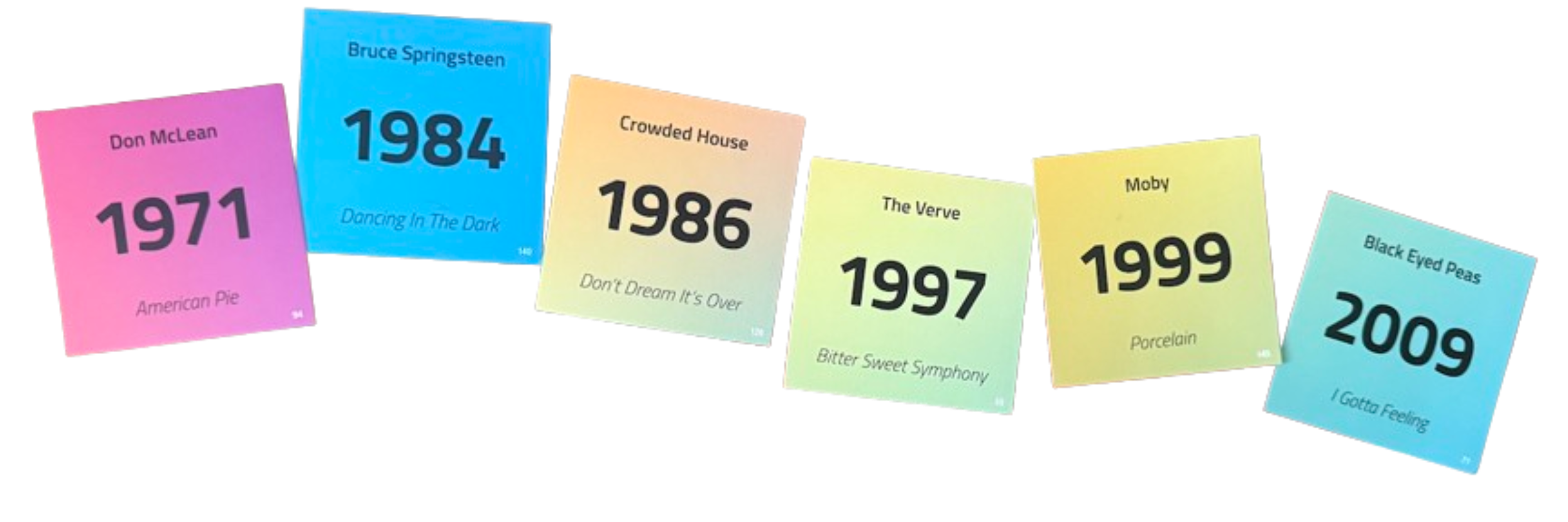
I think this is tasteful because you’re taking in so many different cultures and perspectives instead of boxing yourself into one aesthetic. It’s about realising that a song can be well crafted and objectively good, regardless of the genre or era it comes from.
Reading and learning is another one.
For most of my life, reading didn’t come naturally to me. It was a habit I genuinely had to force myself to build. After reading books like Atomic Habits, I realised that if I wanted reading to stick, I had to change my identity into “a reader”.
If you haven’t given it a proper try, I really would recommend it. I usually read in the sauna, before bed, or on the Tube, those moments where you don’t really have the desire to scroll.
Recently I’ve been re-reading Sapiens. I first read it over five years ago and it’s still fascinating. I also think it’s important to read fiction or non-fiction that doesn’t feel ‘productive’.
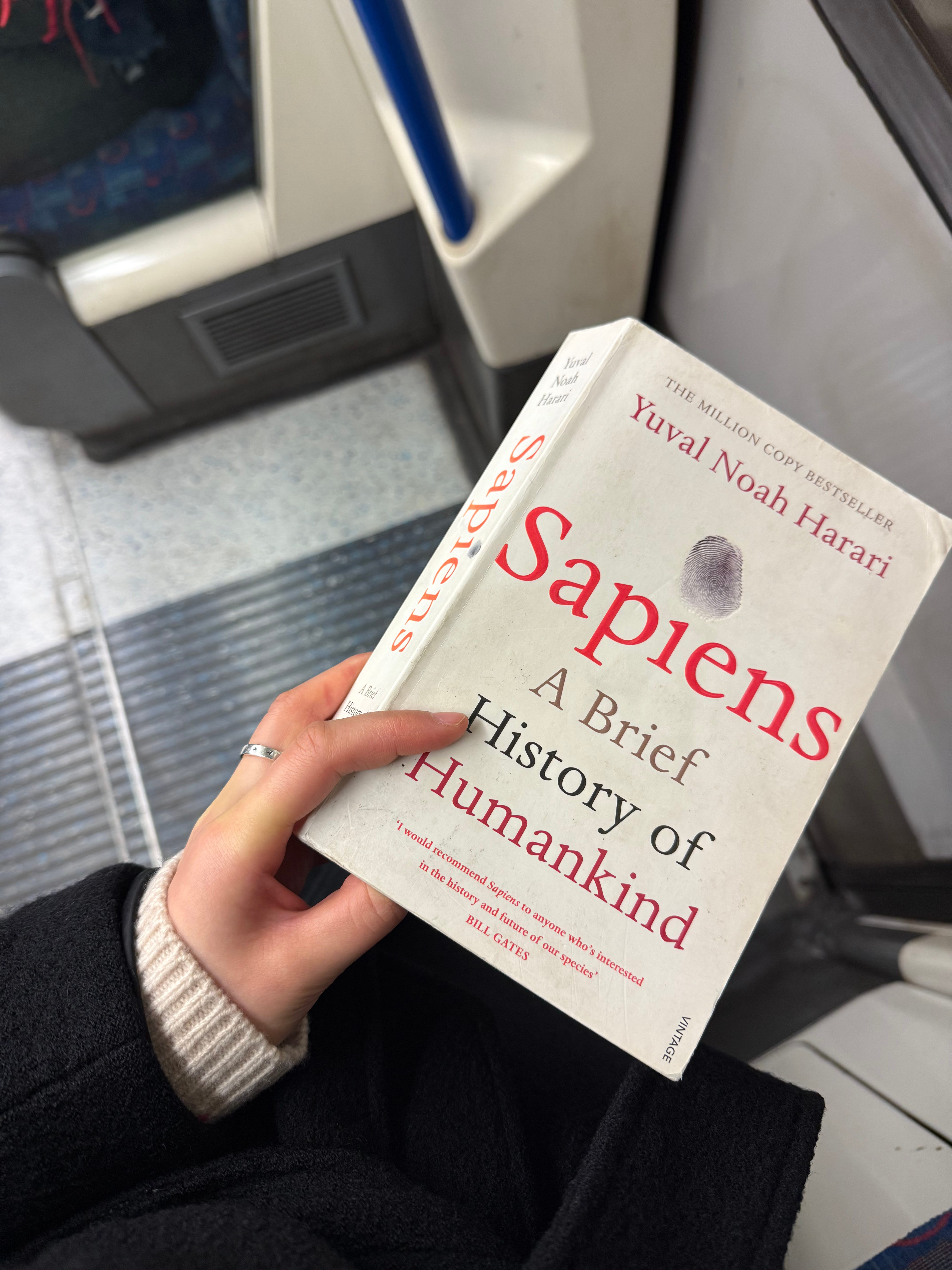
For a while I felt pressure to keep up with every new finance book because that’s what I do for a living, but it’s just as important to cultivate interests outside of your work.
Museums and art galleries too.
Yes, sometimes they cost money, but I think it’s money well spent. You get to sit with ideas, perspectives, and history that you’d never normally encounter.
I recently went to the Marie Antoinette exhibition at the V&A, and as a Sofia Coppola fan, I was in seventh heaven.
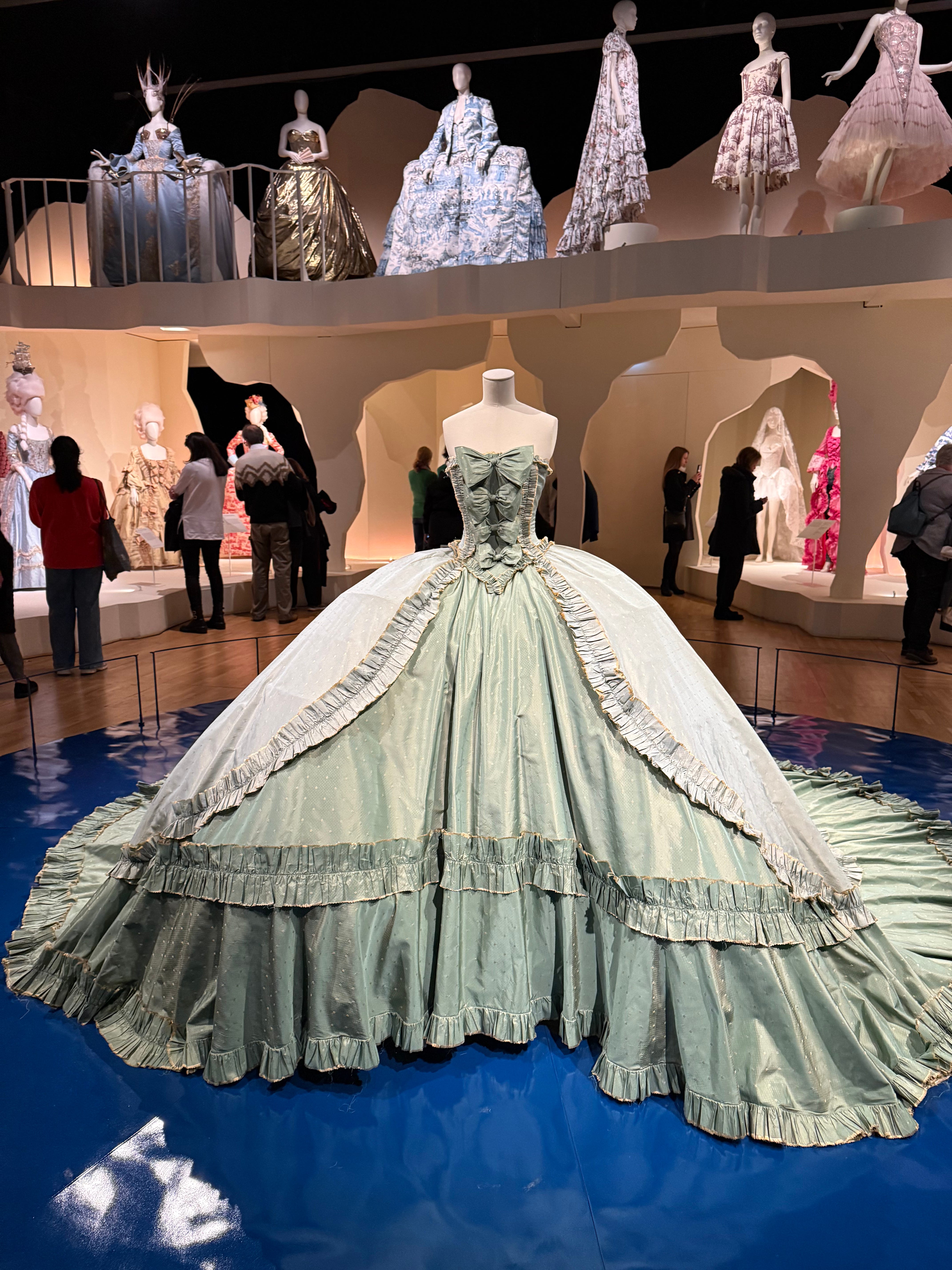
My friend had a yearly pass so we got in for free, but then we went to Eat Tokyo afterwards where I got my favourite salmon teriyaki for £11.50 with miso soup, tofu and sushi. So, overall, it was a low cost day out, but it felt genuinely enriching.
With clothing, I’m always conscious of the idea of a “forever wardrobe” or capsule wardrobe, but I think this looks different for everyone.
We all have different body types, skin tones, colouring, lifestyles. There is no one-size-fits-all formula, despite what Pinterest tells you.
Those identical capsule wardrobes with the same oversized white shirt and straight-leg jeans aren’t going to flatter everyone.
I do like sharing my favourite pieces, and some of them might work for other people, but I think this is deeply individual. It’s more about following a framework or a system than copying someone else’s version of a wardrobe.
For me, it started with decluttering and realising what I didn’t need anymore.
Then noticing, through outfit repetition, what I actually wore, the pieces I kept reaching for, what I got compliments on, what I felt most myself in, and doubling down on that.
It also meant letting go of items I’d spent a lot of money on but that just didn’t feel like me.
Taking a mild interest in fashion helps too. I studied fashion at university, so this comes more naturally to me, but even just learning about designers, movements, and the cultures around clothing adds depth to your personal style.
It gives it meaning.
Having historical fashion references helps as well, not just trends. For me, I’ll always come back to Carolyn Bessette-Kennedy’s style.
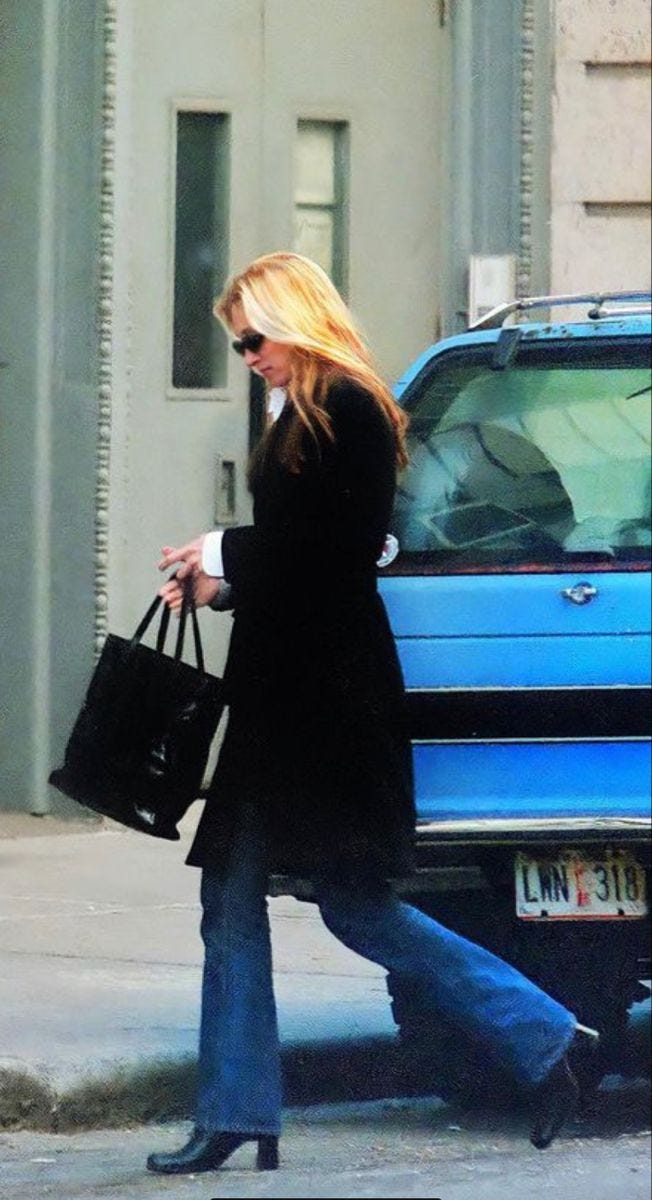
Taste here isn’t about buying more. It’s about paying attention, cultivating hobbies and interests outside of consumerism and building an identity that can’t be bought instantly.
At Frugal Chic, we increase our income, we’re entrepreneurial. But we don’t then spend all of it, because otherwise you’re back at zero and still living paycheck to paycheck, just with nicer packaging.
The real lesson is freedom.
Freedom from trading all your time for money, and finding fulfillment in things that don’t have to be expensive.
And often, buying less helps you understand yourself better. It forces you to sit with your emotions instead of outsourcing them to shopping, which is basically just a very well-designed distraction.
That’s all this week,

“The state of having enough.” Love this phrasing. For me there’s an elegance and honesty in contentment that increasingly stands out in an oversaturated, information-heavy world.
I'm just getting back into reading, and it's incredible! I also agree with your point about taste. For me, my clothing taste and outfits have only gotten better with the "constraint" of buying less. It forces you to pay attention to your clothing and the context you wear it in. Some of my best outfits have come out of this creative exercise. I also swear by the Alta app, it's an incredible way to get outfit suggestions based on the clothes you already have. I can even "try on" my outfits with a look-alike avatar. By logging many of my outfits in the past year I've been able to purge the pieces I never wore. It's great motivation to use what you already have, but in a fun and inspiring way