


Whether you’re aware of it or not, you already have a personal brand.
Personal brands are usually spoken about online as if they’re bordering on influencer territory. Make a vision board, choose certain fonts, post in a consistent colour palette, and suddenly you’ve built a brand. But your personal brand is really just your reputation. It already exists. It’s what people say about you when you’re not in the room. It’s how your best friend would describe you. That is your brand.
Now, you could argue this is giving late stage capitalism. Why should everyone have a brand? But when you really think about it, we’re doing this anyway. We are forced to market ourselves in the job market, dating market, and even in the friendship market. Some people are simply more intentional about it than others.
What’s undeniable is that your brand matters. Arguably, the people who go through life unintentionally are still building brands, but they’re not in control of them.
In this issue:
Why your personal brand already exists, even if you’ve never posted online
The reason your reputation is one of your most underrated assets
Why changing your style every second makes you harder to remember
How speaking with authority can create career leverage before you feel “ready”
Why doubling down on what works usually has a higher ROI than doing everything
Your personal brand is not just about being known. It’s about being known for something. If you want to get ahead, whether that’s through opportunities, connections, recognition, career growth, or business, you have to start thinking about your personal brand both online and offline.
Stop changing your style every second
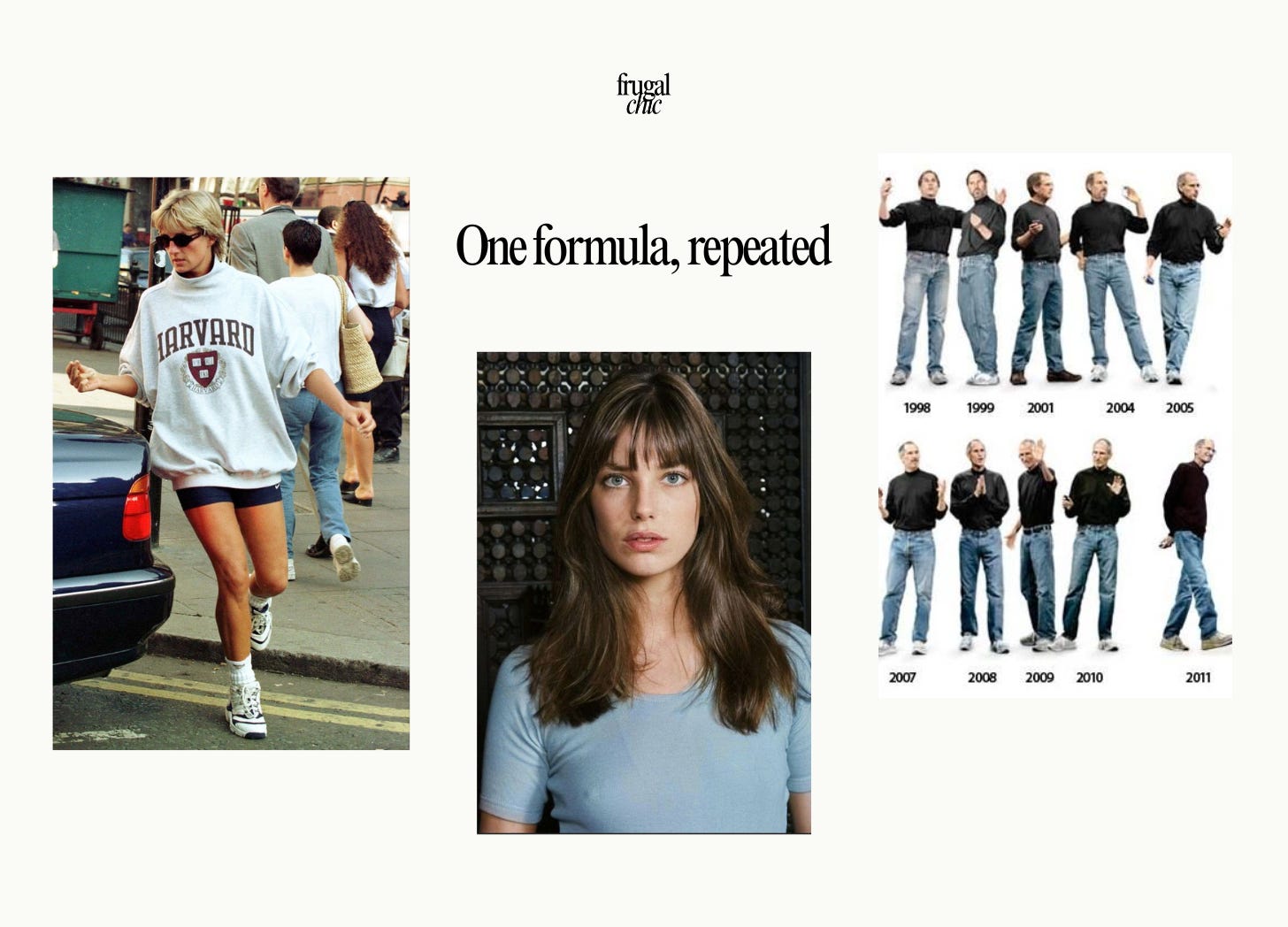
This is why people who repeat outfits often have such a strong personal brand.
At the start, you think you should be exciting and wear something new all the time. But actually, wearing the same thing regularly or having a signature uniform is how you build recognition. People start to associate certain colours, shapes, silhouettes, phrases, values, or habits with you.
It’s like when a friend says, “This is so you.” They’ve come to associate certain things with you, and that’s how you know you’ve got a brand.
It could be a signature blush. It could be a certain type of outfit. It could even be something you’re doing unconsciously. But the point is, try not to change all the time.
Branding yourself often means sticking with the same things long enough for them to become recognisable. Consistency compounds. The more people see the same cues, the easier it is for them to remember you.
Speak with authority
This is about showing up and being visible. That doesn’t just mean posting TikToks. It could mean writing LinkedIn posts about your industry, your interests, your expertise, or the skills you’re building.
You don’t have to wait until you’re a senior manager to start. You can start today, and it can get you more opportunities.
Only a tiny percentage of people actually post on LinkedIn, and this isn’t even an ad. I just feel strongly about this because successful personal brands do not have to involve conventional influencing. I know talent managers, agency owners, founders, consultants, and creatives who don’t make content in the traditional sense, but they go on podcasts, speak at events, run workshops, write online, and become known in their space.
You may not want to do all of those things, but it shows the options are there. Outside of influencing, you can still build authority, and that authority can boost your career.
But you won’t get those opportunities by waiting for them to happen. You get them by acting like someone who already belongs in those rooms.
Double down on what’s working
I’m a huge advocate for diversifying your income, and if you create content, diversifying your platforms so you’re not dependent on one algorithm.
However, there is a lot to be said for spreading yourself too thin.
This is something I’ve really felt recently. I’ve tried to post on every single platform, and I don’t think it served me that well. Short form is my bread and butter. That is where I understand the format, the audience, the storytelling, the hooks, and the rhythm. That is where I have the highest ROI.
So think about the things that actually give you the highest return. It might be one platform. It might be one skill. It might be one type of work. It might be one relationship that keeps paying dividends.
When you are really keen to build something incredible, everything else can start to look like an opportunity. Most of it is just a distraction.
Visuals do matter
This doesn’t have to cost that much.
For example, I did a self-shoot studio photoshoot where you go in with a clicker, take your own pictures, and leave with professional-looking images. I still use those photos to this day
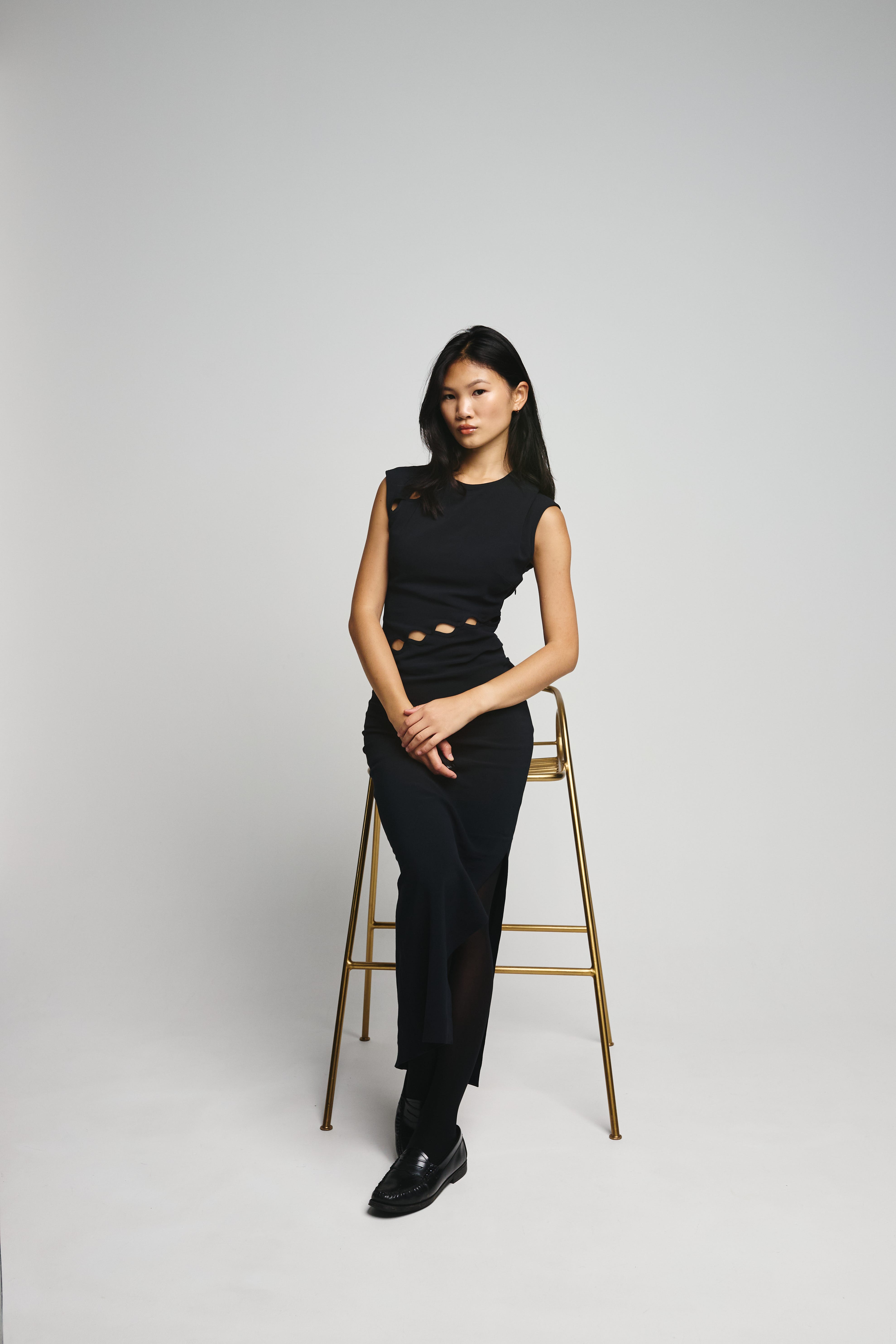
Obviously, I’m a former model, and I have used photographers before. I’d always love to support their work. But if you’re just starting out and you feel shy, this can be a really good option.
You don’t need a huge production. You need pictures that look clear, intentional, and like you. Something with a bit of personality. Something that makes it easier for people to understand your world.
What matters most with any brand is the packaging. It allows people to make quick decisions about whether they like something, whether it represents them, and whether it aligns with what they want to achieve. This is why my YouTube views went from 2k to 230k when I started thinking more intentionally about copywriting and thumbnails. It is a classic example of how packaging changes the way a message is perceived.
Build the brand before you need it
Your personal brand is an asset because it creates optionality.
It can make people think of you when an opportunity comes up. It can make you more memorable in a crowded industry. It can help you attract clients, jobs, friendships, collaborations, podcast invites, speaking gigs, and rooms you didn’t even know existed.
This isn’t about becoming an influencer or being performative, it’s just becoming more intentional about the reputation you are already building.
So ask yourself: if someone described me in a room I wasn’t in, would I be happy with what they said?
That’s all this week,
Mia xx